





Hyperinflation in Bolivia: Understanding the Why

Cristina Rodriguez

December, 15, 2025

3 min.
The value of the dollar in Bolivia is basically the plot twist nobody asked for but everyone needs to understand. It’s like that secondary character that suddenly becomes the protagonist and affects the entire series.
It’s not only the thermometer of whether the economy is doing well or if it’s actually fine, it also decides whether your salary is enough for something more than rice and eggs at the end of the month.
That’s why, it doesn’t matter if you’re an engineer, salteña vendor, or CEO of a multinational—you need to get the dollar. It’s like knowing how to use memes in 2024: a basic survival skill. Families, entrepreneurs, and businesses that live off the exchange rate know it: ignoring the dollar is like ghosting your financial problems.
In recent years, Bolivia has maintained a relatively stable official exchange rate, navigating regional crises like a speed run. But watch out, internal factors (inflation, reserves, monetary policy) and external ones (gringo interest rates, oil prices) are out there. Lurking like those Marvel villains that never rest, exerting constant pressure on the dollar’s exchange rate in Bolivia.
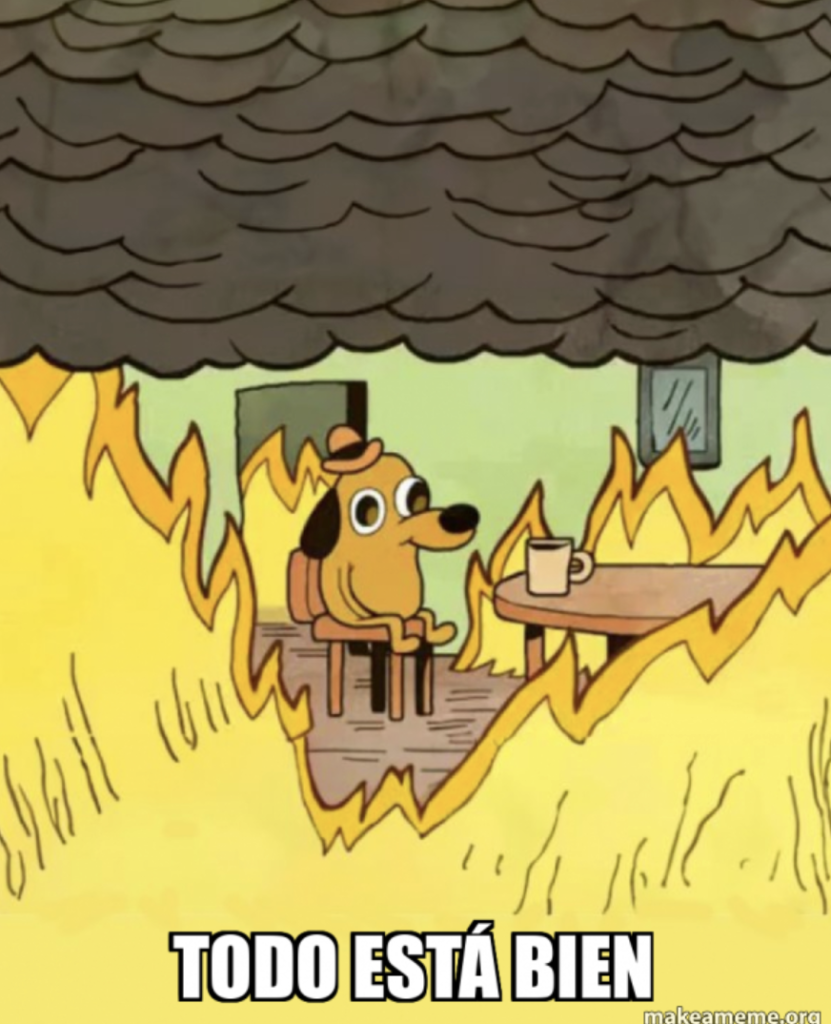
Understanding these elements is like having cheat codes for the economy. It helps you anticipate plot twists and make financial decisions that don’t leave you drinking coffee in the middle of a fire.
Current State of the Dollar in Bolivia
Currently, the dollar in Bolivia is more stable than a toxic relationship that’s already hit rock bottom and can’t get worse. The reference rate from the Central Bank of Bolivia remains around 6.91 bolivianos per US dollar. And that figure is basically the “it is what it is” of the national economy. This official exchange rate has allowed the country to maintain that “everything under control” vibe in its international transactions.
Factors Affecting the Dollar's Value in Bolivia
The dollar’s exchange rate in Bolivia is like grandma’s recipe: it has a thousand ingredients that interact, and if you change one, everything goes to hell. Knowing these factors is like understanding why some memes go viral and others die trying.
Monetary and Economic Policies
The Central Bank of Bolivia is basically the admin of the national economic server. Its decisions about interest rates, liquidity control, and when to intervene in the foreign exchange market are like the patches nobody asked for but that change the whole game. Add to this fiscal and public spending policies, which determine whether investors have faith in the country or if they’re ready to rage quit.
Inflation and Macroeconomic Stability
When inflation goes beast mode, the boliviano becomes as weak as neighborhood wifi. People and businesses run toward the dollar like it’s the last iPhone on Black Friday. On the other hand, when there’s economic stability, controlled inflation, and sustained growth, the boliviano recovers its main character energy and maintains a stable exchange rate.
International Reserves
Foreign exchange reserves are like Captain America’s shield against abrupt fluctuations. With high reserves, Bolivia can execute exchange rate maneuvers and stop sudden dollar spikes. But when these reserves drop, it’s like running out of battery in the middle of a Twitter fight: it increases the perception of vulnerability and pressure on the exchange rate.
External and Political Factors
Oil prices, raw materials, gringo monetary policy, and global investment flows are like those external factors nobody controls but that ruin everyone’s plans. Plus, when there’s political instability (local or regional), people enter panic mode, dollar demand increases, and the exchange rate shoots up like a New Year’s firework.
Impact of the Dollar's Value on the Local Economy
The dollar’s behavior in Bolivia isn’t a hidden easter egg: it’s directly reflected in your wallet, your shopping cart, and whether you can afford that McDonald’s delivery or not.
Prices and Cost of Living
When the dollar rises, imported products become more expensive than VIP tickets to a Bad Bunny concert. This especially hits families already doing financial juggling to make it to the end of the month. On the other hand, if the dollar drops or stays stable, it’s like finding money in last year’s pants: it relieves costs and everyone breathes easy.
Investments and Foreign Trade
A strong dollar can be as toxic as an ex who won’t take no for an answer. It makes imports more expensive and reduces profit margins for companies that depend on foreign inputs. But plot twist: it favors exporters, whose products become more competitive than cat memes on social media.
On the other hand, a stable exchange rate gives confidence to foreign investors, who see Bolivia as a more reliable place than a politician’s campaign promise. The dollar’s dynamics, then, influence everything from the trade balance to whether the country attracts investments or gets stuck in economic friendzone.
Remittances and Family Economy
Families living off remittances are in a complicated relationship with the dollar. When it appreciates against the boliviano, it’s like winning the lottery mini version: they receive more money in local currency. But this same scenario can make everything become as expensive as Taylor Swift concert prices.
If the dollar loses strength, remittances lose purchasing power, but imported products get cheaper. It’s like a Drake meme: “No” to devalued remittances, “Yes” to cheaper products. This double standard shows how the dollar’s exchange rate cuts across both macroeconomics and family budgets.
Ultimately, the dollar’s value in Bolivia impacts everything: prices, the country’s competitiveness, and whether there’s enough for Sunday’s barbecue.
Factors to Monitor
- International reserves
- Internal inflation
- Political environment
- International markets
Conclusion
The value of the dollar in Bolivia is much more than numbers on bank screens. It’s the main character that influences prices, remittances, investments, and whether your salary is enough for something more than instant ramen.
Following the exchange rate and understanding what moves it is like having insider market information: it allows you to anticipate plot twists and make financial decisions that don’t leave you as the “this is fine” meme. In a country so connected to international currency flows, the dollar will remain more relevant than a trending topic, being the key reference for measuring economic stability and planning the future without it ending as an epic fail.