





The Blue Dollar in Bolivia: How did it start

Cristina Rodriguez

December, 09, 2025

4 min
Well, the story of the blue dollar in Bolivia is worth telling. Although this mess started in Argentina, it ended up reaching here, including Bolivia. If you want to understand what the dollar situation is like in Bolivia now, you need to look at the past and see how currency controls have affected South American economies for decades.
The Origins: When Argentina Gifted Us Their Problem
The blue dollar today in Argentina isn’t just a number; it’s like the symbol of years and years of currency troubles. When Argentinians started the whole blue dollar price movement back in the 2000s, nobody imagined that this chaos would reach countries like Bolivia.
The difference between Argentina’s official dollar and the parallel one got so crazy that terms related to the blue became part of everyday vocabulary in the region. Bolivians, especially those doing business with Argentina, started wondering: how much is the dollar in Argentina versus how much is the dollar today here in Bolivia. Basically, it became the favorite conversation topic after soccer.
The Domino Effect in Bolivia: The Parallel Market is Born
As currency restrictions got tougher throughout the region, Bolivia started feeling the pressure too. The parallel dollar in Bolivia began to appear, not as a cheap copy of the Argentine system, but rather as a natural response to the same old economic forces.
Border traders were the first to realize there were huge differences between the official exchange rate and what was actually traded on the streets. From there came what some started calling the blue dollar in Bolivia today, although it never became as official as in Argentina. It was like the Bolivian cousin of the Argentine blue dollar: similar, but with its own vibe.
The Regional Conversion Movement
With geographical proximity, a strange ecosystem of conversions emerged. Bolivians living near the Argentine border started doing calculations from Argentine pesos to bolivianos and other conversions as if it were nothing. This border dynamic meant the local parallel market depended not only on internal matters but also on how the blue was doing in Argentina minute by minute.
The price of the parallel dollar in Bolivia became as important as the official one for many traders. While today’s official dollar price in Bolivia stayed relatively calm, the parallel showed what was really happening with foreign currency demand in the informal market.
The Conversion Mess
The story of the parallel market in Bolivia can’t be told without talking about how it affected other regional conversions. The boliviano started being constantly compared with other currencies. Calculations of Argentine pesos to bolivianos, Chilean pesos to bolivianos, and other regional currencies became super common in border markets.
Traders developed mental tables for conversions like soles to bolivianos, euros to bolivianos, and obviously, dollars to bolivianos. All this mess made the exchange rate a daily conversation topic in many parts of the country.
The Daily Impact
The existence of the parallel market created a somewhat strange economy where the official price coexists with informal quotes. Bolivians learned to distinguish between today’s official dollar price and the real one, especially for transactions requiring cash.
This duality generated situations where the parallel dollar in Bolivia buying and selling handled different margins depending on the region. Informal money changers had their own tables and conversions, creating a complete parallel market.
The Dollar's Influence
Throughout this whole movement, the US dollar remained the reference currency. Even when there were differences between the official and parallel rates, both were measured against the American currency.
The constant question of how much is the dollar today became an economic thermometer that went far beyond a simple monetary conversion. It was like an indicator of how much confidence there was in the country’s institutions and economic policies.
Homemade Conversion Tricks
Bolivians figured out how to do complicated conversions. Phrases like “from bs to dollar” became super common, and mental calculators were basic skills in border areas.
The question “what’s the dollar at in Bolivia” was heard in markets, offices, and homes. This constant search for exchange information showed how important the dollar was in the household economy.
The Present: Living with the Mess
Today, although Bolivia maintains more exchange rate stability than other countries in the region, the legacy of the blue dollar remains in collective memory. Bolivians continue monitoring both today’s official dollar and informal quotes, especially when there’s economic uncertainty.
Historical experience teaches that the difference between the official and parallel dollar to boliviano can be an early signal that economic problems are coming. That’s why many keep an eye on the dollar price in all its variants.
Money Changers: The Anonymous Heroes of the Parallel Market
One thing that can’t go unmentioned are the informal money changers who became like the silent protagonists of this whole story. These characters, who often operated on street corners or in somewhat discreet locations, became the true thermometers of the parallel market. They knew before anyone else when the price was going to move, and often their quotes were more reliable than the official ones.
Money changers developed an information network that worked better than any official system. They communicated between cities, knew exactly when each conversion was convenient, and handled real-time information. They were like the informal brokers of the borders.
The Psychology of the Parallel Dollar
What’s interesting about this whole phenomenon is how it affected the financial mentality of Bolivians. The existence of the parallel market created a kind of collective paranoia where everyone became an expert in conversions and detecting when something strange was happening.
Entire families started talking about USD to bolivianos at the lunch table, and even grandparents learned to distinguish between the official and parallel rates. An informal financial culture was created where asking about the dollar price was as normal as asking about the weather. This economic survival mentality became ingrained in Bolivian society.
The Digital Era: New Solutions for Old Problems
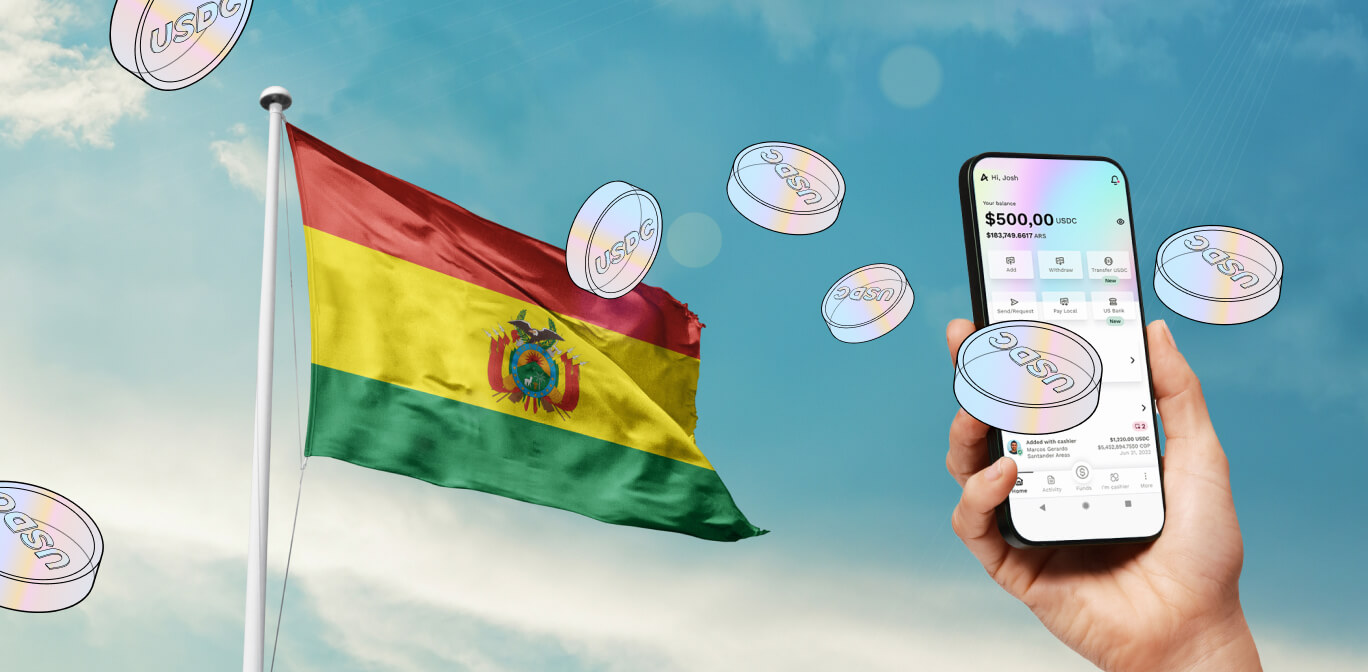
Fortunately, times have changed and now there’s technology that makes this whole mess of conversions and parallel markets much easier to handle. Platforms like Airtm have revolutionized the way Bolivians can access dollars and make conversions, offering competitive rates and total transparency in the process.
With Airtm, you no longer need to wonder what the dollar is at in Bolivia on every corner or depend on informal money changers. The platform lets you see the price in real-time and make conversions safely and reliably. It’s like having access to a modern currency market without the risks and complications of the traditional parallel market.
For Bolivians who still remember the days of the parallel market, Airtm represents a natural evolution: easy access to foreign currency, fair rates, and the peace of mind of not having to look for money changers in sketchy places.
What We Learned
The story of the parallel dollar in Bolivia left us several important lessons:
Currency restrictions always create parallel markets: When official access becomes complicated, informal alternatives appear.
Regional effects are contagious: What happens in neighboring countries influences local dynamics.
Information is power: In dual markets, whoever best understands price differences gets the advantages.
Stability is worth gold: Periods where there’s less gap between official and parallel rates coincide with greater economic confidence.
To Close
The story of the blue dollar in Bolivia, although not as documented as Argentina’s, represents an important chapter in the country’s economic evolution. Understanding these historical dynamics is key to navigating the economic present and preparing for future currency challenges.
The Bolivian experience demonstrates that markets always figure out how to balance themselves, even when official policies try to control these natural processes. The key is learning from history to make better financial decisions now.